Executive, NASS Move To Bridge Budget, Development Gaps
The National Assembly and the Executive have pledged to work together to close gaps between Nigeria’s budget planning, implementation, and development goals.
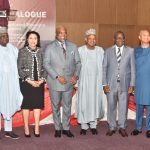
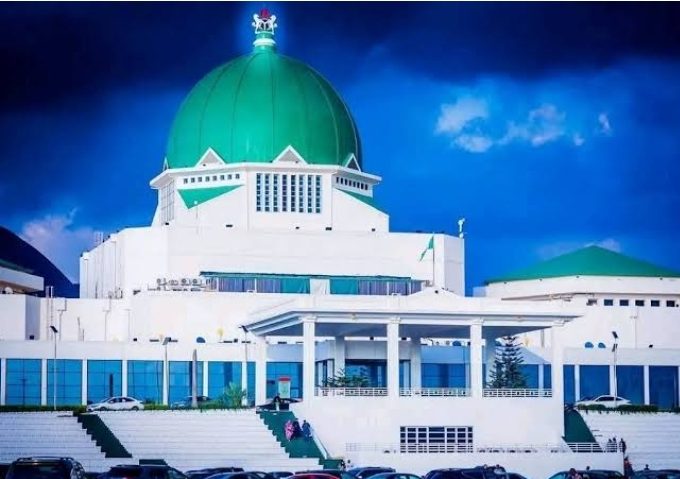
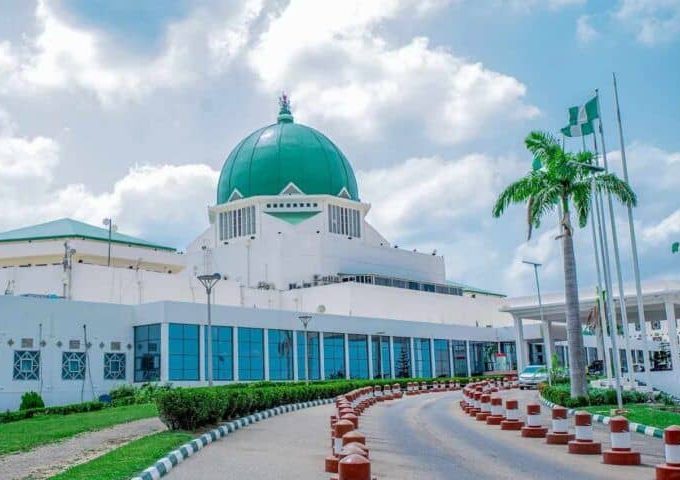
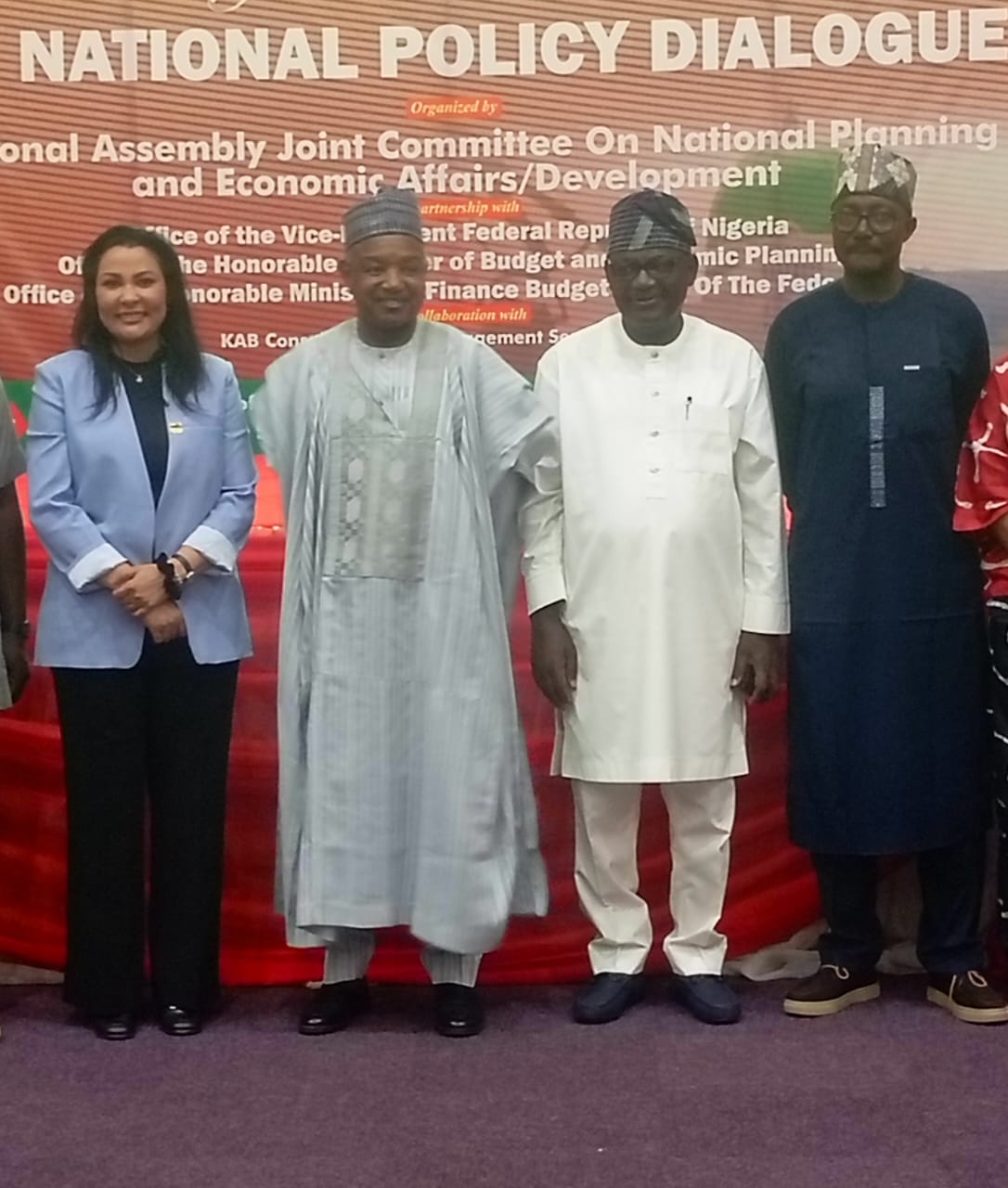
This was disclosed by the Minister of Budget and Economic Planning, Atiku Bagudu, the Chairman, House Committee on National Planning and Economic Development and his Senate counterpart, Musa Mustapha in separate remarks at the second day of the Two-Day National Policy Dialogue held in Abuja.
The Dialogue with the Theme: “The Imperatives Of National Development Plan And Effective Budgeting System For Sustainable Growth Of The Nigerian Economy” was organised by the National Assembly Joint Committee On National Planning And Economic Affairs/Development in partnership with the Offices of the Vice President, Minister of Budget and Economic Planning, the Minister of Finance and the Budget Office of the Federation.
In his address, the Minister of Budget and Economic Planning, Atiku Bagudu noted that, without the support of the National Assembly, the reforms that have been undertaken by the Tinubu administration would not have been possible.
He said, “Let me appreciate the support that the committees and also the National Assembly as a body has given to the reforms that have taken place in the last three years, because by every stretch of imagination, they are bold, they are courageous, they are difficult choices and as those whose daily function involves interaction with these constituencies and having to explain, having to defend, one has to appreciate”.
He however informed that, planning is a constitutional responsibility of every person in authority in Nigeria which must not be toyed with if the country is to make a meaningful development.
Bagudu added, “National planning in Nigeria is mandated and obligated by the constitution. The further ingredients of the national plan is a whole chapter in our constitution, chapter two of our constitution, fundamental objectives and directive principles of state. It clearly stated that Nigeria is a constitutional federation.
“Section 13, which is the first section of another fundamental objectives and directive principles of state, is a command to all those in authority to work together, observe, and seek to conform to the fundamental objectives or directive principles of state.
“The constitution clearly stated that all those in authority, including legislative, judicial, and executive, have to work together. Equally, the president, vice president, national assembly members, the governors, state assembly members, have to work for good of the office they swore to, the wordings are dictated by the constitution.
The minister stressed that, Nigeria being a market economy, the Constitution provides a reducible minimum of economic objectives that should be aspired which are, good security objectives, environmental objectives, educational objectives, social objectives, and even duties of citizens, as well as the directive that the three tiers of government must work together.
Giving an overview, the Chairman, House of Representatives Committee on National Planning and Economic Development, Gboyega Isiaka, stated that, it is a collective responsibility for the executive, the legislature and all other stakeholders to work towards addressing the gaps and other challenges as regards budgeting and national planning objectives.
He noted that, the 10th National Assembly is always ready to cooperate and collaborate very effectively with the President and the executive arm of government especially in actualizing Nigeria’s 30-year prospective plan as well as the $1 trillion economy objective that the federal government is working on.
On his part, the Chairman, Senate Committee on National Planning and Economic Affairs, Musa Mustapha said, it is imperative to address the fundamental pillar of national progress which is to align National Development Plans with the budgeting system to drive sustainable economic growth.
He said, “Our National Development Plan requires meticulous, aligned, and disciplined budgetary support to achieve its set objectives. However, the persistent disconnect between ambitious development plans and actual annual budgetary allocations has historically hindered our growth trajectory.
“As Chairman of the uSenate Committee on National Planning and Economic Affairs, I maintain that our developmental aspirations cannot be achieved through disjointed fiscal actions. We must stop treating the budget as merely a document for expenses, but rather as the primary engine for implementing our national development agenda.
“An efficient budget is often regarded as the cornerstone of comprehensive national progress. It allows the government to allocate resources wisely, prioritise development initiatives, and boost economic activity.
“Too often, however, our national planning and budgeting have operated in isolation, leading to inefficient resource distribution and projects that fail to fully benefit Nigerians. We aim to address this gap. Indeed, the goal of this administration is to foster a performance-driven culture in which public resources are used efficiently to support meaningful, sustainable development.
“Our planning process is no longer driven by short-term political expediency but by a clear, strategic roadmap towards a $1 trillion economy by 2030, anchored in grassroots empowerment initiatives such as the Renewed Hope Ward Development Programme and targeted support for our MSMEs, he said.