By Dr. Kayode Olagunju, DCM (rtd), PhD, mni, FCILT, FISPON, FCAI, FABE
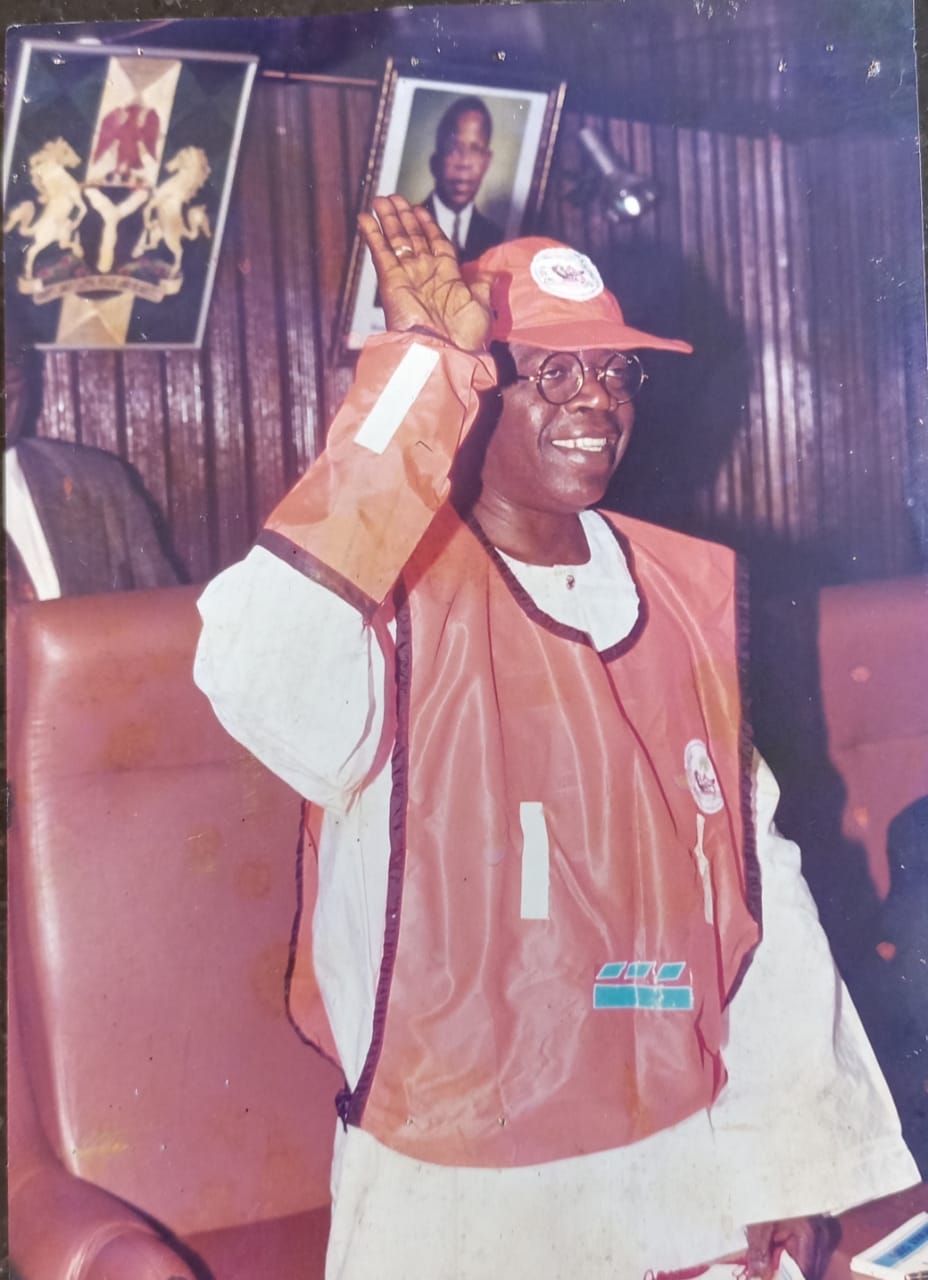
I recently came across a photograph of then-Governor Bola Ahmed Tinubu proudly wearing the uniform of the Federal Road Safety Corps (FRSC) Special Marshal—a reminder of his longstanding passion for road safety and infrastructure development. I had the privilege of putting that uniform on him during my tenure as the Lagos Sector Commander of the FRSC. That moment symbolized his deep commitment to protecting lives on our roads.
As governor, Tinubu initiated sweeping reforms in transportation. He oversaw road construction and rehabilitation, established LASTMA, LAMATA, and LASAMBUS—all born from a proactive vision to address traffic chaos and promote road safety. His administration set a new benchmark for collaboration among transport stakeholders, and Lagos reaped the benefits.
I know from personal experience that President Tinubu is not only passionate but solutions-driven when it comes to road safety. He believes that no challenge is insurmountable if the idea is sound. Today, he continues to show leadership in infrastructure through the commendable efforts of Ministers David Umahi and Nyesom Wike. However, while good roads are essential, they do not automatically translate to safer roads.
In fact, we often record more crashes on good roads than bad ones, due to reckless speeding and lack of restraint. The mindset persists that smooth roads are an invitation to drive without caution. Thus, improving infrastructure must go hand-in-hand with road safety education and enforcement.
A Grim Reality
Globally, road crashes claim about 1.25 million lives annually, with around 50 million people injured. In Nigeria, from independence in 1960 to 2024, a total of 396,083 people lost their lives in road traffic crashes. 1,481,527 others were injured, culminating in 1,842,937 casualties. To grasp this scale, imagine filling the MKO Abiola National Stadium more than six times, or the Emirates Stadium over thirty times. That’s the human cost of our road crisis.
FRSC: A Model Agency Under Pressure
Since its creation in 1988, the FRSC has made measurable progress. Between 1968 and 1987 (20 years before its founding), Nigeria recorded 549,152 crashes. Between 2005 and 2024, the number dropped to 219,023—a 43% reduction, despite a more than 100% increase in vehicular population. Deaths also declined by 9.7%, from 137,186 to 112,843.
Despite these gains, the FRSC is grossly underfunded. Road safety remains capital-intensive. Tow trucks, ambulances, patrol vehicles, and bikes cost hundreds of millions of naira. The FRSC has expanded its role—from traffic management to emergency rescue, public education, and enforcement. But it now faces severe limitations.
A single broken-down articulated truck can shut down a highway for hours. Drivers, in frustration, block other lanes, worsening the situation. Lives are lost, productivity crippled. And yet, the FRSC has too few articulated tow trucks to manage such emergencies across Nigeria’s vast road network.
The situation is worse when it comes to ambulances, especially life-support-equipped units. The first hour after a crash—the golden hour—is crucial. Yet, many FRSC commands lack suitable ambulances, forcing injured victims into patrol vehicles, taxis, or private cars. Those with spinal injuries often suffer irreparable harm during such transfers.
The Zebra emergency points concept was designed to address this gap. Like LASAMBUS, these roadside stations allow for faster response times. But the number of operational Zebra points is far below national need. Fuel shortages and inadequate equipment further limit their effectiveness.
What FRSC Needs Now
To meet its mandate, FRSC urgently needs:
-
Increased budgetary and special intervention funds
-
Life-support ambulances and strategically located Zebra points
-
Modern patrol vehicles, articulated tow trucks, and rescue equipment
-
Public education funding—TV, radio, rallies, digital content
-
Speed detectors, breathalysers, ticketing tech, and enforcement tools
-
Adequate fuel supply and maintenance resources
Routine budgets cannot accommodate all of these. While some past administrations and international partners, including the World Bank, have provided support, we cannot wait for another grant. A US $4 million intervention in 2008 targeted just six corridors—insufficient for a country of Nigeria’s size and traffic intensity.
A Presidential Appeal
Mr. President, as you transform Nigeria’s road infrastructure, I appeal for a focused and intentional intervention in the FRSC. The lives of our citizens depend not just on smooth roads, but on the systems in place to keep them safe. The FRSC under Corps Marshal Shehu Mohammed is doing commendable work—but with your support, it can do much more.
Let us act now—before the next tragedy strikes. Road crashes are no respecter of status. The next victim could be anyone. Prayers are important, but must be accompanied by proactive efforts. A stitch in time saves nine.
About the Author:
Dr. Kayode Olagunju is a retired Deputy Corps Marshal of the Federal Road Safety Corps, transport safety expert, and fellow of multiple professional bodies.