Reps Summon Security Agencies, NMDPRA Over Management of Seized, Forfeited Assets
The House of Representatives has invited officials of the Nigerian Navy, Nigeria Police Force, Nigeria Customs Service, Nigeria Immigration Service, and the Nigerian Midstream and Downstream Petroleum Regulatory Authority (NMDPRA) to appear before the Sub-Committee on Public Assets, which is investigating the management of seized, forfeited, and recovered assets in Nigeria.
The agencies are expected to appear before the Sub-Committee on Public Assets on November 2, 2026, as part of efforts to conduct a comprehensive audit of recovered assets, establish a unified digital registry and strengthen transparency and accountability in the management of assets acquired through law enforcement operations and other statutory processes.
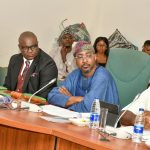
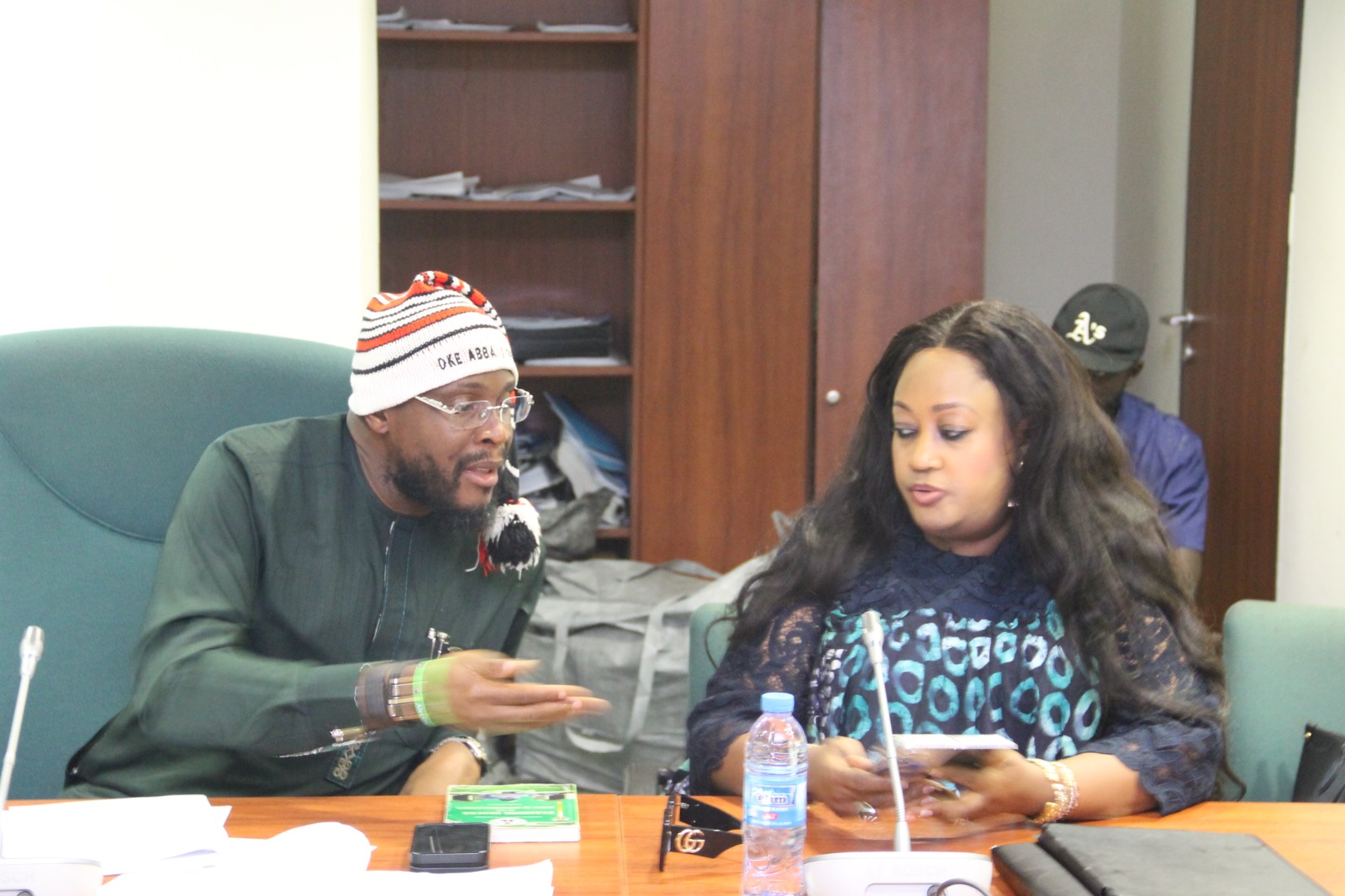
Chairman of the Sub-Committee on Public Assets, Ibe Osonwa, who represents Arochukwu/Ohafia Federal Constituency of Abia State, announced the date during the sub-committee’s inaugural meeting in Abuja.
Osonwa described the assignment as an important national responsibility, noting that the management, disposal and utilisation of seized, forfeited and recovered assets had remained issues of public concern and institutional scrutiny across successive administrations.
He said persistent questions about the transparency of asset recovery processes, coordination among government agencies and the eventual disposition of recovered properties had underscored the need for a comprehensive review of existing practices.
The lawmaker stressed that the concerns extended beyond administrative procedures, explaining that the effective management of recovered assets was critical to public trust, institutional credibility and the overall effectiveness of Nigeria’s anti-corruption framework.
“These concerns are not merely technical, they strike at the heart of public trust, institutional credibility, and the effectiveness of Nigeria’s anti-corruption architecture,” he added.
According to him, the Sub-Committee on Public Assets has been mandated to undertake a comprehensive audit to establish a clear, accurate and verifiable record of all seized, forfeited and recovered assets held, controlled or managed by relevant government institutions.
He explained that the exercise would help determine the status of such assets, improve documentation and establish greater clarity regarding their custody, management and eventual utilisation.
Osonwa identified the development of a unified digital registry as another major objective of the assignment, saying it would provide a centralised and verifiable record of recovered assets, improve information-sharing among relevant agencies and reduce duplication and inconsistencies in existing records.
The proposed registry, he noted, would also strengthen institutional coordination and make it easier to track assets from the point of seizure or forfeiture through custody, management, disposal or eventual transfer for public use.
The chairman further disclosed that the sub-committee would examine existing accountability mechanisms and recommend reforms capable of aligning asset management practices with relevant laws and international best practices.
He said the recommendations would seek to address weaknesses in the current system, close loopholes that could undermine transparency and ensure that public institutions entrusted with recovered assets were held to appropriate standards of accountability.
“The sub-committee has the opportunity to recommend reforms that will close long-standing loopholes, modernise asset management systems, and reinforce Nigeria’s commitment to transparency and responsible stewardship,” Osonwa said.
He emphasised that the ultimate objective was to ensure that assets recovered through law enforcement and other lawful processes were managed responsibly and deployed in ways that deliver tangible benefits to the Nigerian people.
Following a motion moved by Omosede Igbinedion and supported by other members, the chairman formally announced November 2 as the date for the appearance of the five agencies.