2027 Elections: IPC, NUJ Task Journalists to Prioritise Accuracy Over Speed, Embrace Fact-Checking
As preparations for the 2027 general elections gather momentum, journalists have been urged to prioritise accuracy over speed by strengthening fact-checking and verification practices in their reportage.
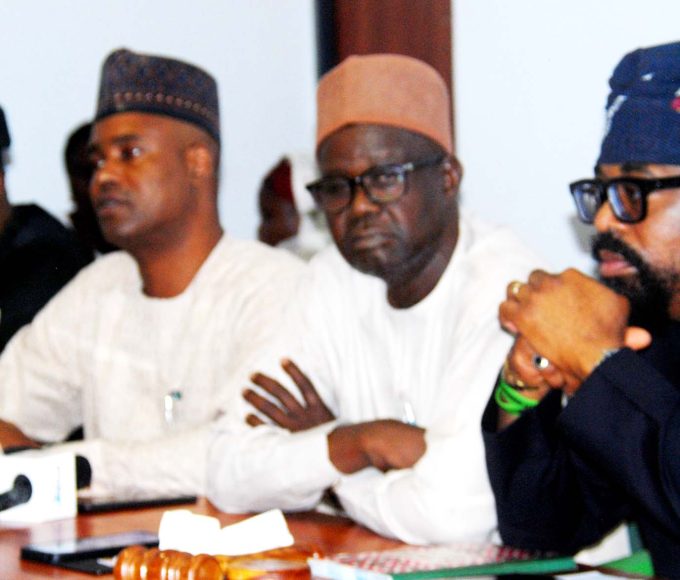
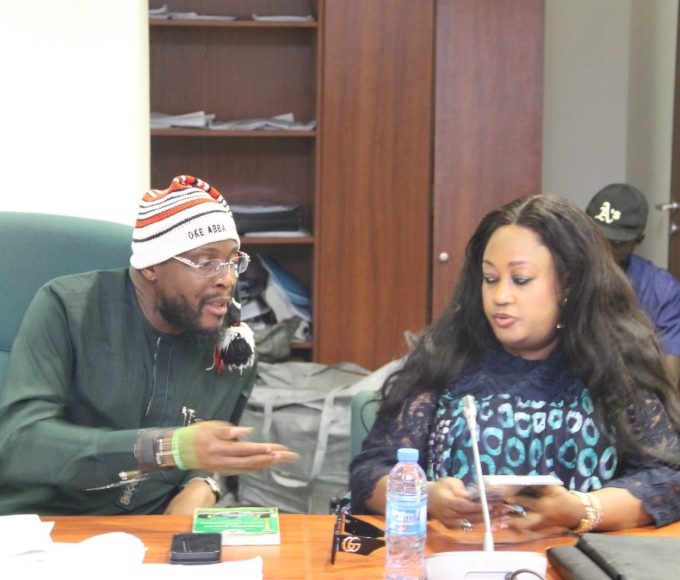
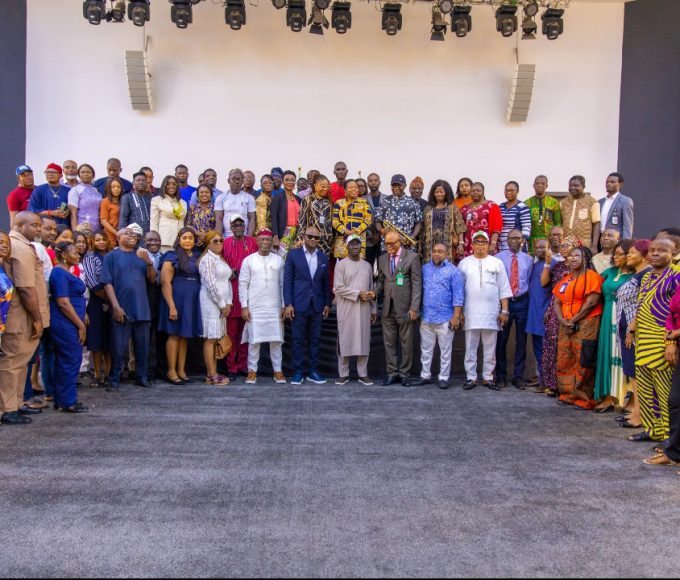
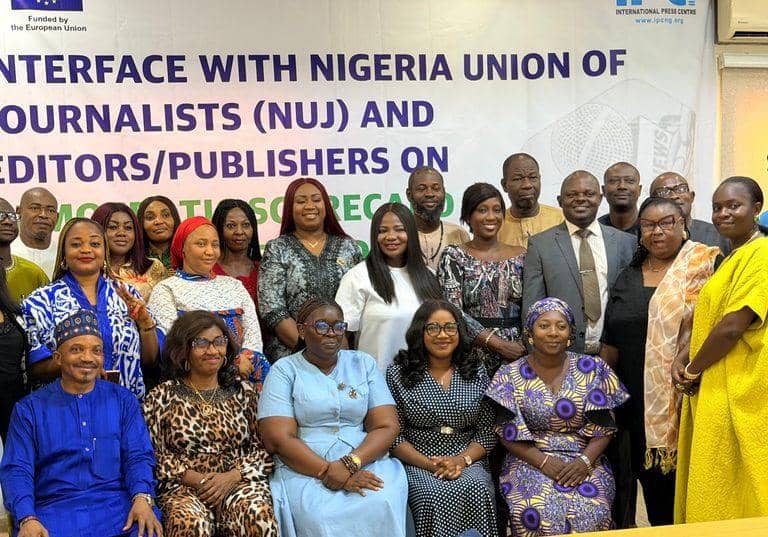
The charge was given in Abuja, at a media interface organised by the International Press Centre (IPC) in partnership with the Nigeria Union of Journalists (NUJ), FCT Council, under Component 4 (Support to Media) of the European Union Support to Democratic Governance in Nigeria (EU-SDGN) Programme.
With the theme: “2027 General Election in the Context of Democratic & Accountability Reporting: Scanning the Electoral Environment and Reporting Citizens’ Priority Concerns,” the engagement brought together print, broadcast, and online journalists to examine emerging electoral threats, including disinformation, hate speech, manipulated content, and field safety risks, while strengthening newsroom standards for verification and public accountability.
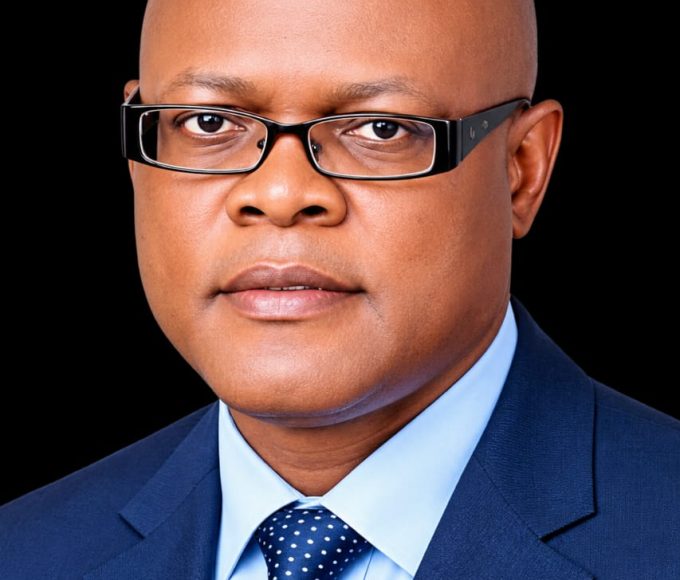
The Executive Director of the International Press Centre (IPC), Lanre Arogundade in his opening remarks noted that the increasing influence of digital platforms has created wider opportunities for information sharing and public participation but has also made it easier for false information, manipulated content and hate speech to spread rapidly.
The IPC Executive Director emphasized that fact-checking and verification should not be treated as optional aspects of journalism but as fundamental responsibilities, especially during the electoral period when inaccurate reports could mislead the public and heighten political tensions.
He therefore called on journalists to exercise greater caution, particularly when reporting politically sensitive issues, insisting that information must be properly verified before publication.
Arogundade, who was represented by Melody Akinjiyan, the Programme Officer of IPC, enjoined journalists to resist the pressure to prioritise speed over accuracy, emphasising that fact-checking must be treated as an integral pillar of responsible journalism rather than an optional addition.
He further called for stronger protections for the safety and professional independence of reporters covering electoral processes without intimidation or unlawful interference.
The Chairman of the NUJ FCT Council, Grace Ike, commended IPC and the EU-SDGN programme for convening the interface at a critical juncture in Nigeria’s democratic journey.
Ike challenged newsrooms to look beyond political drama and place ordinary citizens, not politicians, at the center of electoral coverage by interrogating campaign manifestos and governance records.
”Democracy cannot thrive where citizens are misinformed. Accountability cannot take root where the media merely reports events without interrogating promises, policies, and performance.
“We must ask the harder questions: What do citizens truly want? What are their priority concerns on security, the economy, jobs, education, healthcare, infrastructure, and the cost of living? Are candidates offering real solutions, or mere slogans? Are promises being kept, or broken?,” she added.
Reaffirming the NUJ FCT council’s commitment to ethical journalism, capacity building, and defending press freedom, she enjoined reporters to resist being used as instruments of political propaganda.
She tasked journalists to deliberately amplify the voices of groups frequently sidelined until campaign season, including women, young people, Persons With Disabilities (PWDs), and grassroots communities.
The technical sessions of the interface were led by two prominent resource persons: Head of the Department of Broadcasting, Film and Multimedia Studies at the University of Abuja, Dr. Sarah Gambo and a prominent researcher, civic technology advocate, and information disorder analyst, Hamzat Lawal.
Their deliberations focused on equipping journalists with practical frameworks to scan Nigeria’s evolving information ecosystem, counter coordinated disinformation and hate speech, uphold broadcast and multimedia ethical standards, and translate citizens’ grassroots concerns into actionable accountability journalism ahead of 2027.