Abuja, Nigeria – April 2025
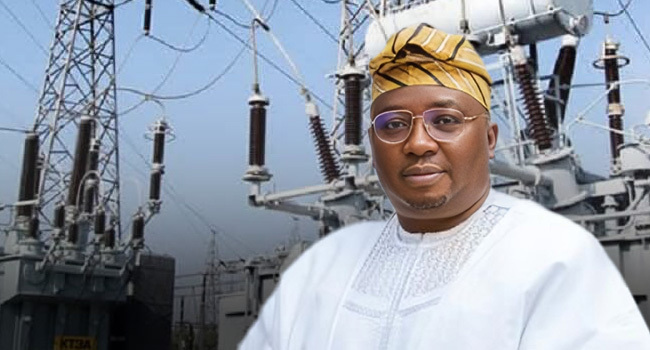
Nigeria’s Minister of Power, Adedayo Adelabu, has announced that approximately 150 million Nigerians now have access to adequate electricity, marking a significant milestone in the country’s electrification drive. However, he acknowledged that around 80 million Nigerians still lack reliable power supply.
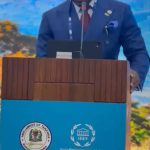
Speaking at the 2025 Ministerial Sectoral Update Conference in Abuja, Adelabu attributed the progress to Nigeria’s participation in the “Mission 300” initiative — a collaborative effort between the World Bank and the African Development Bank (AfDB) aimed at providing electricity access to 300 million Africans by 2030.
“Out of the 300 million Africans targeted, Nigeria is expected to account for at least 25 percent — about 75 million people — and we are on course to meet that,” Adelabu stated.
He noted that while access to electricity has increased, challenges remain in ensuring the reliability and affordability of power.
“The real issue is not just access, but the consistency and cost of electricity. We must ensure that those who have access enjoy stable and affordable power,” he said.
Adelabu urged global financiers to focus not only on off-grid renewable energy solutions, particularly for rural areas, but also on strengthening Nigeria’s grid infrastructure, which he said is critical for powering urban centers and industries.
“We must avoid over-reliance on renewables alone. Grid infrastructure must be improved to ensure reliable supply for those already connected,” he warned.
Power Generation and Infrastructure Targets
The minister also highlighted an increase in the country’s generation capacity, which has risen to 6,003 megawatts — an addition of 1,700MW since President Bola Tinubu assumed office.
He projected that Nigeria could reach 8,000MW by the end of the current administration’s first term, with a long-term goal of attaining 23,000MW in line with global benchmarks. He further disclosed that the Kaduna Power Plant is expected to become operational before the end of 2025.
On the issue of metering, Adelabu assured that the federal government is committed to closing the metering gap, calling it “a challenge that will soon become history.”
Tariff Reforms and Public Backlash
Adelabu also addressed the recent electricity tariff reforms, which he said have boosted sectoral revenue by ₦700 billion.
In April 2024, the Nigerian Electricity Regulatory Commission (NERC) approved a tariff hike for Band A customers — those receiving at least 20 hours of electricity daily — from ₦68 to ₦225 per kilowatt-hour, a 230% increase affecting roughly 1.9 million consumers.
The federal government had justified the increase by citing the rising cost of energy subsidies, which were projected to reach ₦2.9 trillion in 2024. The hike was expected to reduce subsidy obligations by ₦1.14 trillion.
However, the decision has sparked criticism. The Institute of Chartered Accountants of Nigeria (ICAN) described the move as “an additional burden on already struggling citizens,” while the Abuja Chamber of Commerce and Industry warned of its adverse impact on Small and Medium Enterprises (SMEs), particularly with regard to operating costs.