By Malachy Ukpong
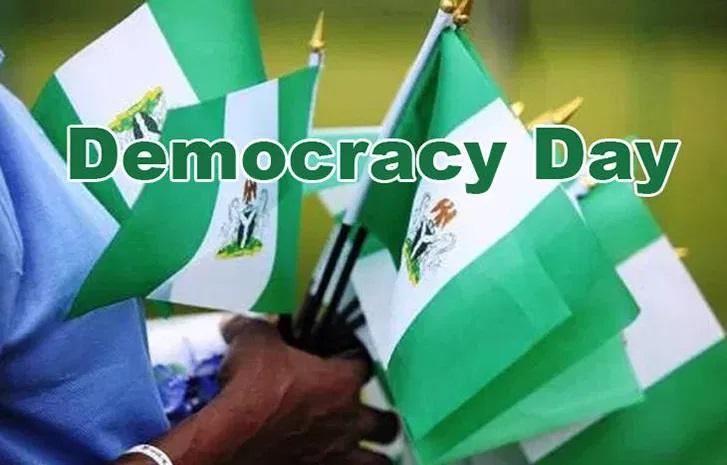
Lagos, Nigeria – June 12, 2025 — As Nigeria marks yet another Democracy Day, reflections on the country’s long and painful path to democratic governance reveal a history marked by coups, conflict, and the unyielding spirit of its citizens.
Since gaining independence from British colonial rule in 1960, Nigeria has endured a turbulent political evolution. The early optimism of self-governance was quickly overshadowed by regional tensions, political violence, and military interventions that would dominate national leadership for decades.
Just two years into independence, political unrest in the Western Region escalated to such proportions that a State of Emergency was declared in 1962. The unrest foreshadowed a breakdown in governance that culminated in Nigeria’s first military coup in January 1966, which saw the overthrow of Prime Minister Tafawa Balewa’s civilian government.
General Johnson Aguiyi-Ironsi emerged as Nigeria’s first military head of state but was assassinated in a retaliatory coup six months later. His successor, General Yakubu Gowon, inherited a deeply divided nation and presided over the devastating Nigerian Civil War from 1967 to 1970—a conflict that claimed an estimated one to three million lives.
Despite the war’s end, military rule persisted. Gowon was overthrown in 1975, followed by a brief but reformist stint under General Murtala Mohammed, who was assassinated in 1976. General Olusegun Obasanjo, who succeeded him, oversaw Nigeria’s first peaceful transfer of power to a civilian administration in 1979.
That democratic opening proved short-lived. President Shehu Shagari’s government, marred by allegations of corruption and economic mismanagement, was overthrown in a military coup on December 31, 1983, ushering in General Muhammadu Buhari’s regime. Another internal coup in 1985 brought General Ibrahim Babangida to power.
Babangida’s administration would go on to oversee one of Nigeria’s most controversial political moments: the annulment of the June 12, 1993 presidential election, widely believed to have been won by businessman and philanthropist Chief Moshood Kashimawo Olawale (M.K.O.) Abiola. The annulment triggered mass protests and a prolonged pro-democracy movement.
Abiola was arrested after declaring himself president and later died in detention in 1998 under mysterious circumstances. During this time, Nigeria witnessed brutal crackdowns under General Sani Abacha, whose regime was marked by human rights abuses, suppression of the press, and widespread international condemnation.
A turning point came in June 1998 with Abacha’s sudden death. His successor, General Abdulsalami Abubakar, moved swiftly to return the country to civilian rule. By May 1999, elections had been held, and former military leader Olusegun Obasanjo was sworn in as president, inaugurating the Fourth Republic and ending over 30 years of military dominance.
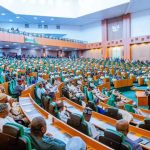
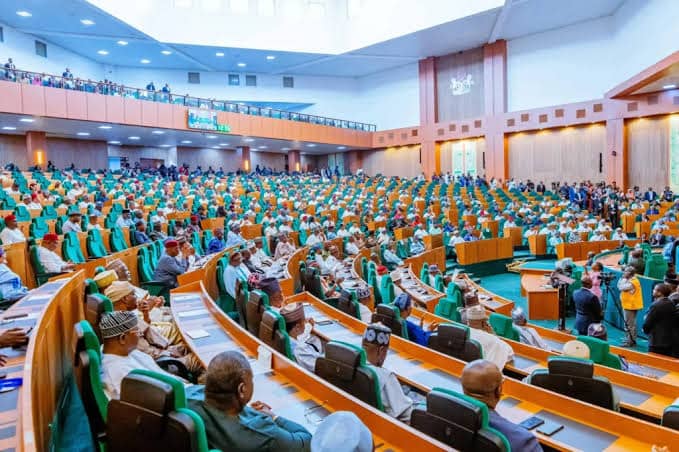
Today, 26 years into democratic governance, Nigeria continues to grapple with questions about the quality of its democracy. While successive governments have come and gone through the ballot box, challenges such as corruption, insecurity, economic hardship, and weak institutions remain deeply entrenched.
As Nigerians commemorate this year’s Democracy Day, a critical question persists: Has democracy truly delivered on its promise to the Nigerian people?
For many, the gains remain uneven. Yet the sacrifices of those who fought for freedom and civilian rule serve as a powerful reminder that democracy—however imperfect—remains worth defending.