MAIDUGURI, Borno State – May 14, 2025
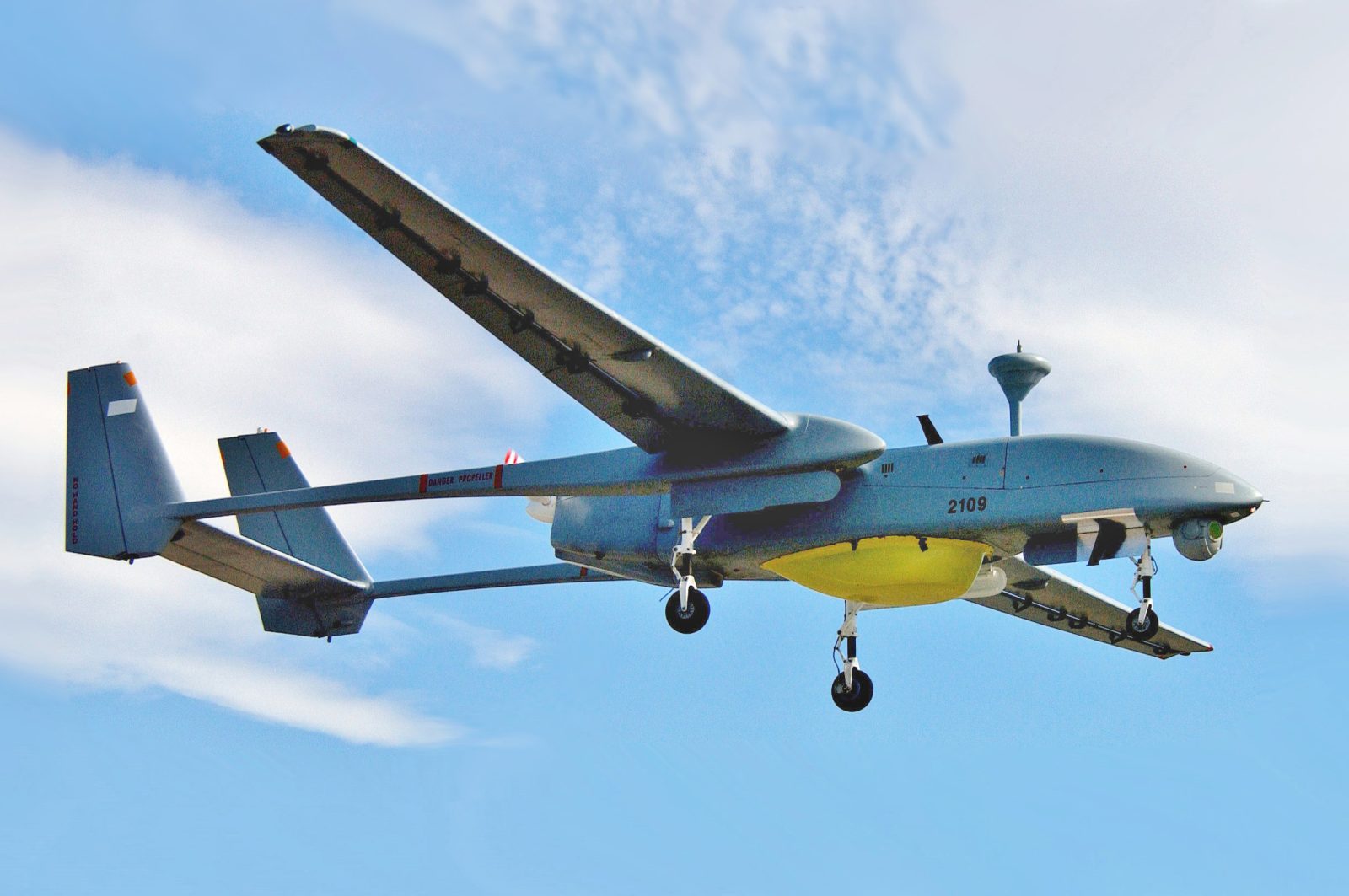
The Nigerian Army has confirmed that Boko Haram terrorists have begun deploying armed drones in Borno State, describing the development as a significant shift in the insurgents’ tactics.
Major General Abdulsalam Abubakar, Theatre Commander of Operation Hadin Kai (OPHK), disclosed this during a press briefing in Maiduguri on Tuesday. He noted that some of the drones used by the terrorists are similar to those seen in conflict zones like Israel and Ukraine.
“Since November last year, we’ve observed the use of weaponised drones by the terrorists. These devices are difficult to detect using conventional radar systems,” he said.
The commander expressed concern over the evolving methods of the insurgents, warning that they have shifted to multi-pronged attacks on isolated military positions—often for propaganda purposes.
“This change in strategy has prompted us to review and adjust our deployments accordingly,” Abubakar stated.
He confirmed that in just the past week, troops had neutralised over 20 insurgents and recovered a cache of weapons. However, he acknowledged ongoing threats, citing coordinated attacks in Rann, Dikwa, and Gajiram. While troops successfully repelled most of the assaults, four personnel were lost in Rann after a breach.
Despite the setbacks, the general said morale among troops remains high, thanks to improved welfare initiatives instituted by the military leadership.
“Our soldiers are resilient, and the improved conditions have boosted morale significantly. We are confident of achieving lasting victory over terrorism,” he said.
Abubakar highlighted significant gains made in the fight against insurgency, noting that many displaced persons have returned to their communities, particularly in areas like Malam Fatori and Kukawa, where nearly 20,000 residents have resettled.
However, he linked the resurgence of threats to the deteriorating security situation across the Sahel region.
“Barracks in neighboring countries are being overrun, and weapons looted there often find their way into Nigeria through porous borders,” he explained. “Two years ago, we were close to declaring this conflict over. But worsening instability in the Sahel has fueled new threats.”
He emphasized that Nigeria’s theatre of operations spans more than 150,000 square kilometers—larger than several countries combined.
“In asymmetric warfare, as Sun Tzu said, you must separate the fish from the water. Security is a collective responsibility. Every Nigerian must support the fight,” he said.
As an example of ongoing citizen collaboration, he revealed that troops recently intercepted 13,000 litres of petrol being smuggled to terrorist enclaves—enough to power their operations for a year.
The general urged remaining insurgents to surrender, promising humane treatment similar to those who had already laid down their arms. He warned that those who continue to resist would be met with decisive force.
“Our resolve is unshaken. We will defeat terrorism and restore peace to the North East,” Abubakar declared.