Uncertified Electrical Materials Will Be Removed from Nigerian Market – NEMSA MD
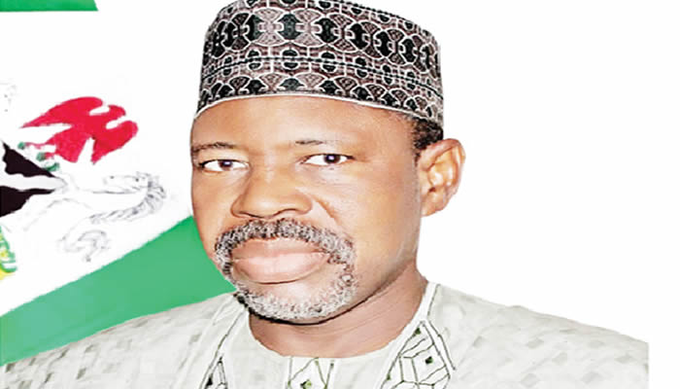
The Managing Director of the Nigerian Electricity Management Services Agency (NEMSA), Engr. Aliyu Tahir, has reaffirmed the agency’s commitment to eliminating substandard electrical materials from the Nigerian market. In this interview with journalists Adelani Adepegba and Damilola Aina, Tahir outlines the agency’s regulatory enforcement strategies, safety audits, and collaborative efforts to boost operational standards across the power sector.
On Regulatory Enforcement
NEMSA enforces technical standards developed by the Nigerian Electricity Regulatory Commission (NERC), the Standards Organisation of Nigeria (SON), and other regulatory bodies. Engr. Tahir explained that enforcement is carried out through five key areas: testing and certification of new electrical installations, regular monitoring of existing infrastructure, certification of electrical materials and equipment, including electricity meters, transformers, and cables, and audits of utility companies’ compliance with safety manuals and procedures.
Combating Substandard Imports
On addressing the influx of substandard electrical products, Tahir noted that NEMSA collaborates closely with SON under an existing Memorandum of Understanding (MoU). While SON manages enforcement at the ports of entry, NEMSA conducts inspections at installation points. When substandard materials are detected, they are reported to SON for removal from the market. “We have a standing committee to identify, escalate, and ensure the removal of these items,” he stated, adding that discussions are underway to deepen the collaboration.
Audit of Operators and Safety Concerns
Tahir revealed that safety audits of utility companies have exposed numerous lapses in compliance with safety standards. “We have found that many accidents involve utility personnel failing to adhere to safety procedures,” he said. NEMSA has so far audited eight operators, uncovering deficiencies in staff training, use of personal protective equipment (PPE), and proper maintenance practices. He emphasized the need to align NERC’s health and safety codes with national standards to improve compliance.
Causes of Blackouts
The MD identified structural challenges in the interface between transmission and distribution networks as a major contributor to blackouts. He explained that overloading 33kV primary feeders with small transformers creates fault points that result in frequent trip-offs. “We have issued directives to restrict the use of 33kV lines for point-load connections to mitigate these issues,” Tahir said. He also echoed the Minister of Power’s concerns about the liquidity crisis in the sector, which hampers network upgrades.
Certification of Renewable Energy and Solar Products
NEMSA is also expanding its oversight to renewable energy components. Tahir noted that the agency has four certification schemes, including one for renewable energy installers. “We are inspecting and certifying solar mini-grids and components. While progress is being made, many installations remain uncertified,” he said. The agency is currently working to identify vendors and enforce certification standards in collaboration with SON.
Metering and the Presidential Initiative
On the government’s Presidential Metering Initiative, which aims to close Nigeria’s huge metering gap, Tahir assured that NEMSA is fully involved. “Meters—whether imported, assembled, or locally manufactured—must be tested and certified before deployment,” he stressed. He advised consumers to verify NEMSA’s green seal and test labels on installed meters as proof of certification.