— CSO Unveils Electoral Reform Blueprint, Seeks INEC Independence and Lower Nomination Costs
ABUJA — With the 2027 general elections on the horizon, the Peering Advocacy and Advancement Centre in Africa (PAACA) has called for sweeping reforms to Nigeria’s electoral framework, including the mandatory electronic transmission of results from polling units directly to the National Collation Centre in Abuja and real-time uploads to the INEC Result Viewing Portal (IREV).
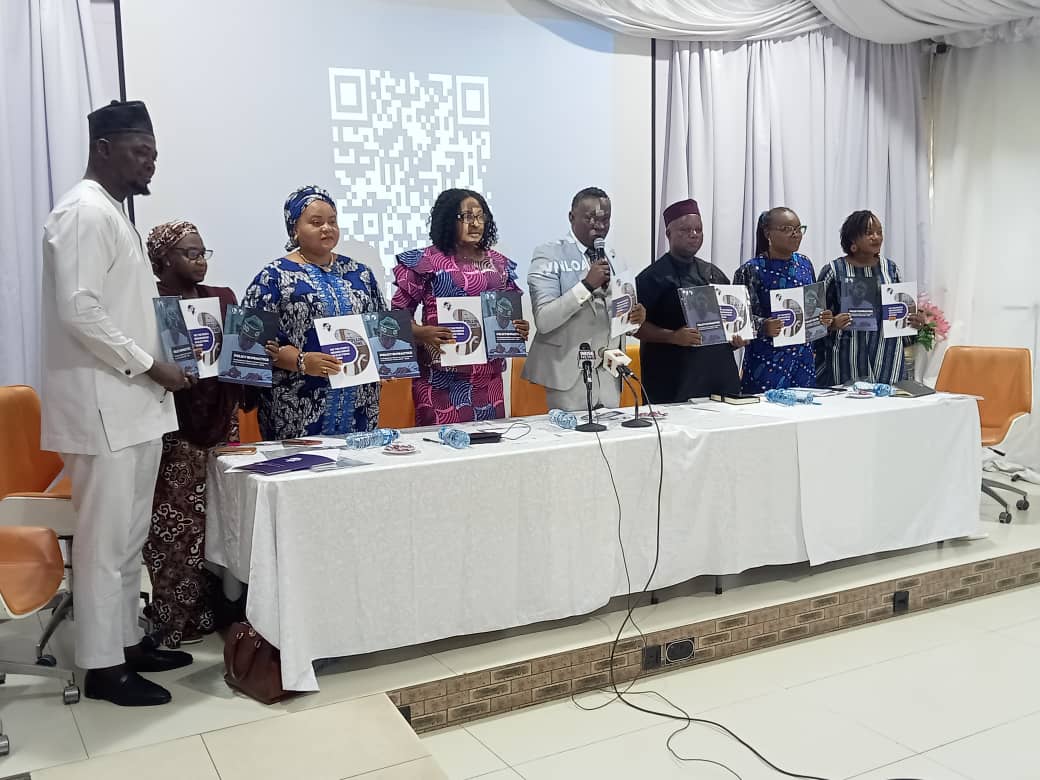
The organisation made the demand during the unveiling of its “We The People Memorandum on Electoral Reform 2025” in Abuja. The memorandum, developed after consultations across 16 states, draws from key national and international reports, including the Justice Uwais Electoral Reform Committee Report and Afrobarometer surveys.
Executive Director of PAACA, Mr. Ezenwa Nwagwu, said the group is advocating the amendment of Section 60(5) of the Electoral Act 2022 to enforce direct, electronic transmission of results, arguing that this will significantly boost transparency and public confidence in Nigeria’s electoral process.
Key Demands and Recommendations:
-
INEC Autonomy:
PAACA proposed the removal of presidential control over the appointment of INEC commissioners, calling instead for a broad-based selection committee involving civil society, the judiciary, the National Judicial Council, and the National Assembly. Commissioners, under this plan, would serve a single, non-renewable five-year term, with removal only possible through due process after a conviction for gross misconduct. -
Guaranteed INEC Funding:
The group urged that INEC’s budget be made a first-line charge on the Consolidated Revenue Fund, shielding it from executive interference and annual appropriation bottlenecks that delay critical election logistics. -
Regulation of Nomination Fees:
PAACA called for amendments to empower INEC to regulate the cost of nomination forms, warning that exorbitant fees currently charged by political parties undermine democracy by excluding women, youth, and persons with disabilities (PWDs). -
Recognition of Digital Tools:
The group advocated the legal recognition of IREV and other digital election tools, alongside the mandatory electronic transmission of results, to deepen transparency and real-time election monitoring. -
Unified Voter ID System:
To address data fragmentation, PAACA proposed harmonizing voter data with national databases such as the NIN and driver’s licenses to create a comprehensive and verifiable voter identification system, reduce duplication, and improve register accuracy. -
Improved Logistics:
The memorandum urged INEC to conduct rigorous mock logistics drills well ahead of election day and to engage private logistics providers under strict performance bonds to ensure timely delivery of materials and personnel — a major flaw in past elections.
PAACA warned that without timely reforms and political will, Nigeria risks another controversial election. It therefore urged the National Assembly, INEC, political parties, and all stakeholders to prioritise the recommendations in the interest of democracy and electoral integrity.
“Unchecked monetisation of our politics is weakening democracy. Our reforms aim to restore credibility, inclusiveness, and trust in the electoral process,” Nwagwu said.